Dermatology Insights

Stories, Science & Skin Health

Evidence-based dermatology advice from Professor Khatera Habib Wali, sharing 10+ years of clinical experience from Kabul, Afghanistan.

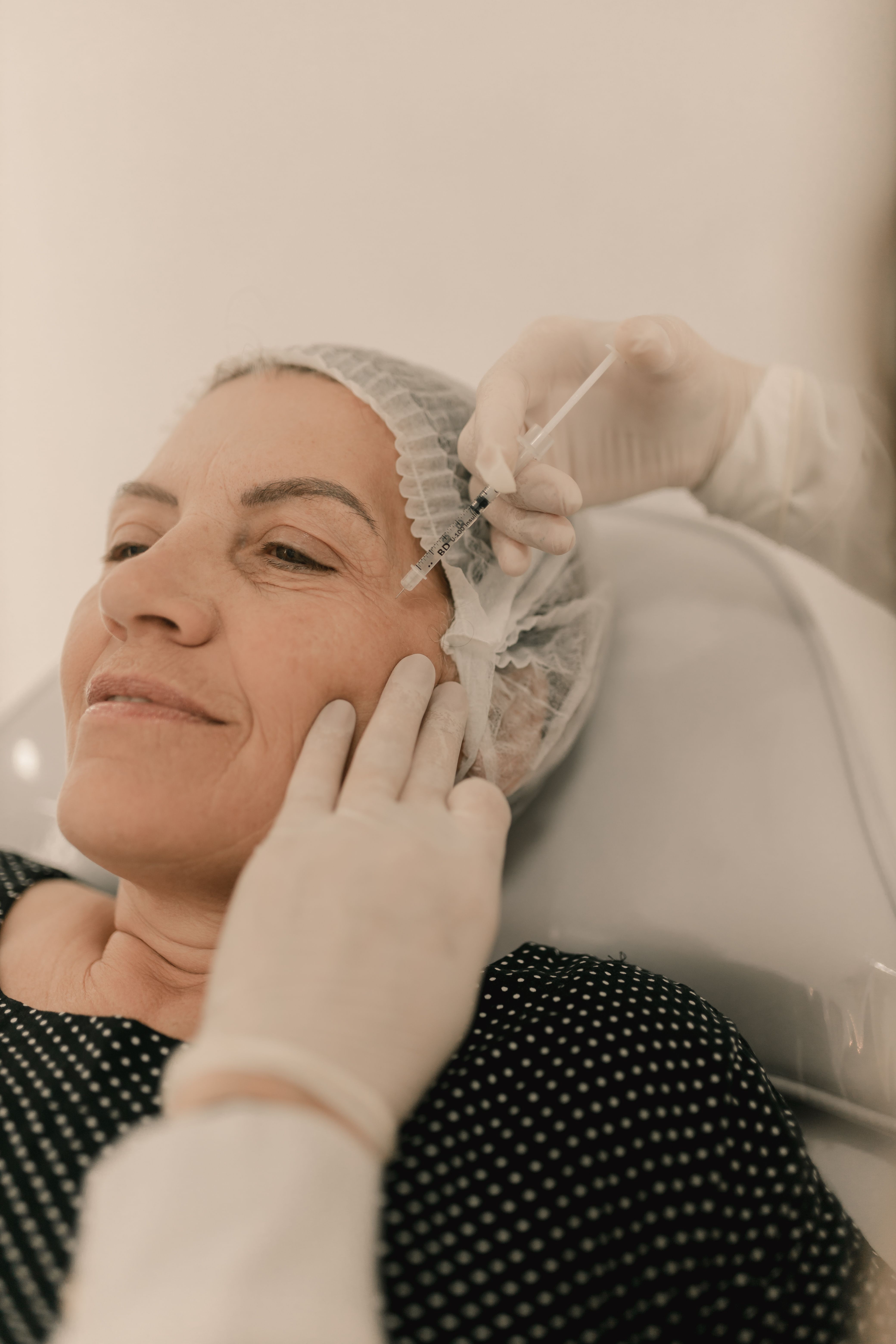
Microneedling treatment - Acne treatment by Dr. Khatera Habib Wali

Why Your Acne Keeps Coming Back: A Dermatologist's Honest Truth

I've been treating acne for over a decade in Kabul, and I see the same frustration every day. Patients come to me after trying everything—home remedies, pharmacy products, advice from friends—nothing works. Here's what I've learned...

Continue Reading →

I've been treating acne for over a decade in Kabul, and I see the same frustration every day. Patients come to me after trying everything—home remedies, pharmacy products, advice from friends—nothing works.

Here's the honest truth: acne is not about dirty skin. It's a complex condition involving hormones, genetics, and inflammation. When you scrub your face aggressively or use harsh products, you're actually making it worse.

The Three Mistakes I See Every Day

1. Over-washing the face. I tell my patients: wash your face twice a day, that's it. Morning and night. Use a gentle, pH-balanced cleanser. If your skin feels tight after washing, the product is too harsh.

2. Picking at pimples. I know it's tempting. But when you squeeze a pimple, you push bacteria deeper into the skin. This causes more inflammation, more redness, and often leaves a scar that lasts months.

3. Skipping moisturizer. Many people think moisturizer will make their acne worse. The opposite is true. When your skin is dehydrated, it produces more oil to compensate. A light, oil-free moisturizer actually helps balance your skin.

"The best acne treatment is one that's designed for YOUR skin, not your friend's skin, not what you saw on social media—yours." — Dr. Khatera Habib Wali

What Actually Works

Effective acne treatment requires understanding the type of acne you have. Is it hormonal? Inflammatory? Comedonal? Each type needs a different approach.

In my clinic in Kabul, I start with a thorough evaluation. I look at the type of acne, your skin type, your lifestyle, and your budget. Then I create a personalized treatment plan.

The most effective treatments I use include:

  • Topical retinoids (like adapalene) for unclogging pores
  • Benzoyl peroxide for killing bacteria
  • Topical antibiotics for reducing inflammation
  • Chemical peels for stubborn acne
  • Hormonal therapy for adult women

The key is patience. Most acne treatments take 6-8 weeks to show results. If you're not seeing improvement after 2 months, the treatment plan needs adjustment—not abandonment.

A Note to My Patients in Afghanistan

I understand that accessing dermatology care in Afghanistan can be challenging. That's why I'm committed to providing evidence-based treatments at affordable prices. Don't let myths or misinformation lead you to harmful home remedies. Your skin deserves professional care.

If you have questions about your skin, my clinic is open Saturday to Thursday, 2-6 PM. You can also reach me via WhatsApp at +93 796 631 315.

← Back to Blog
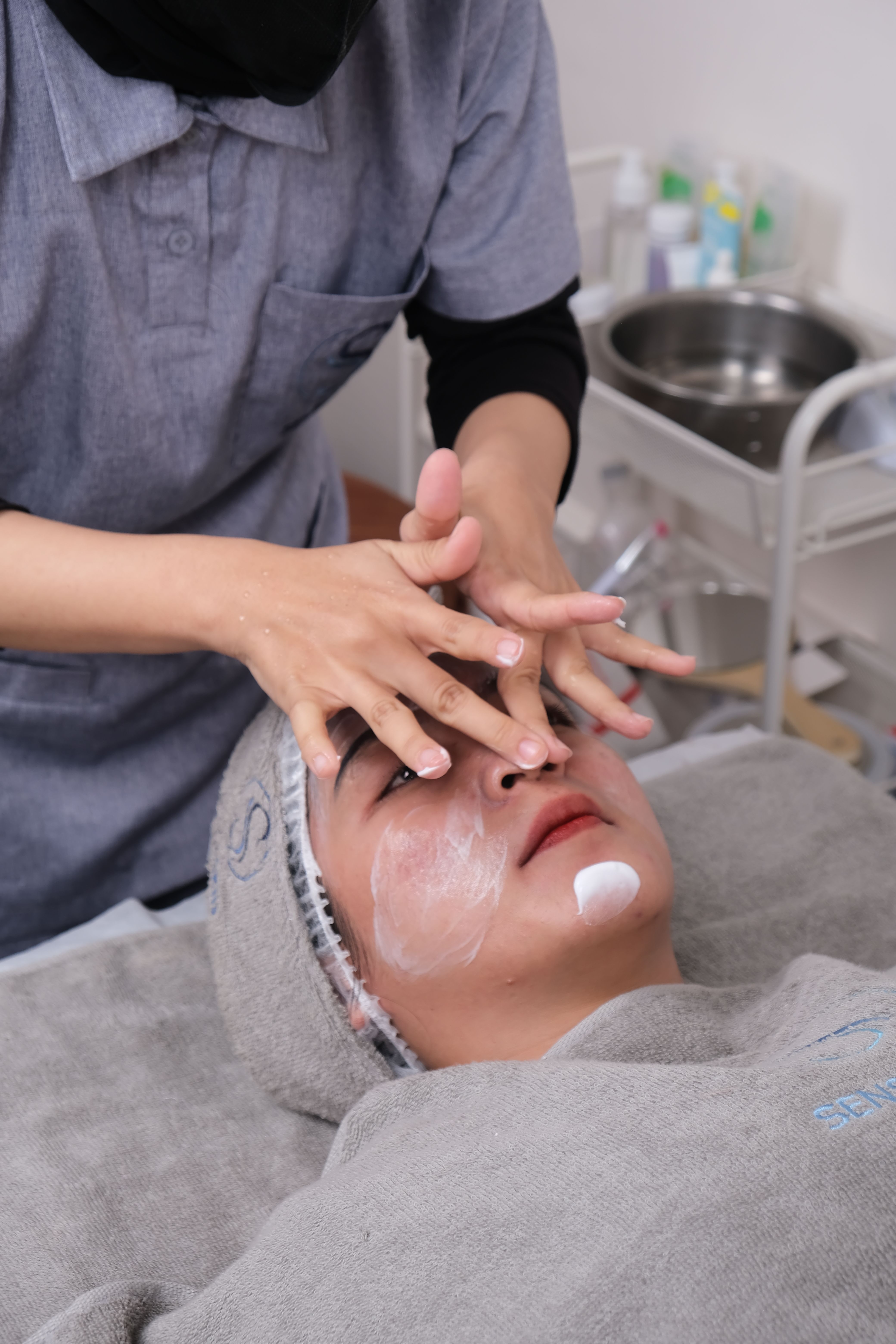
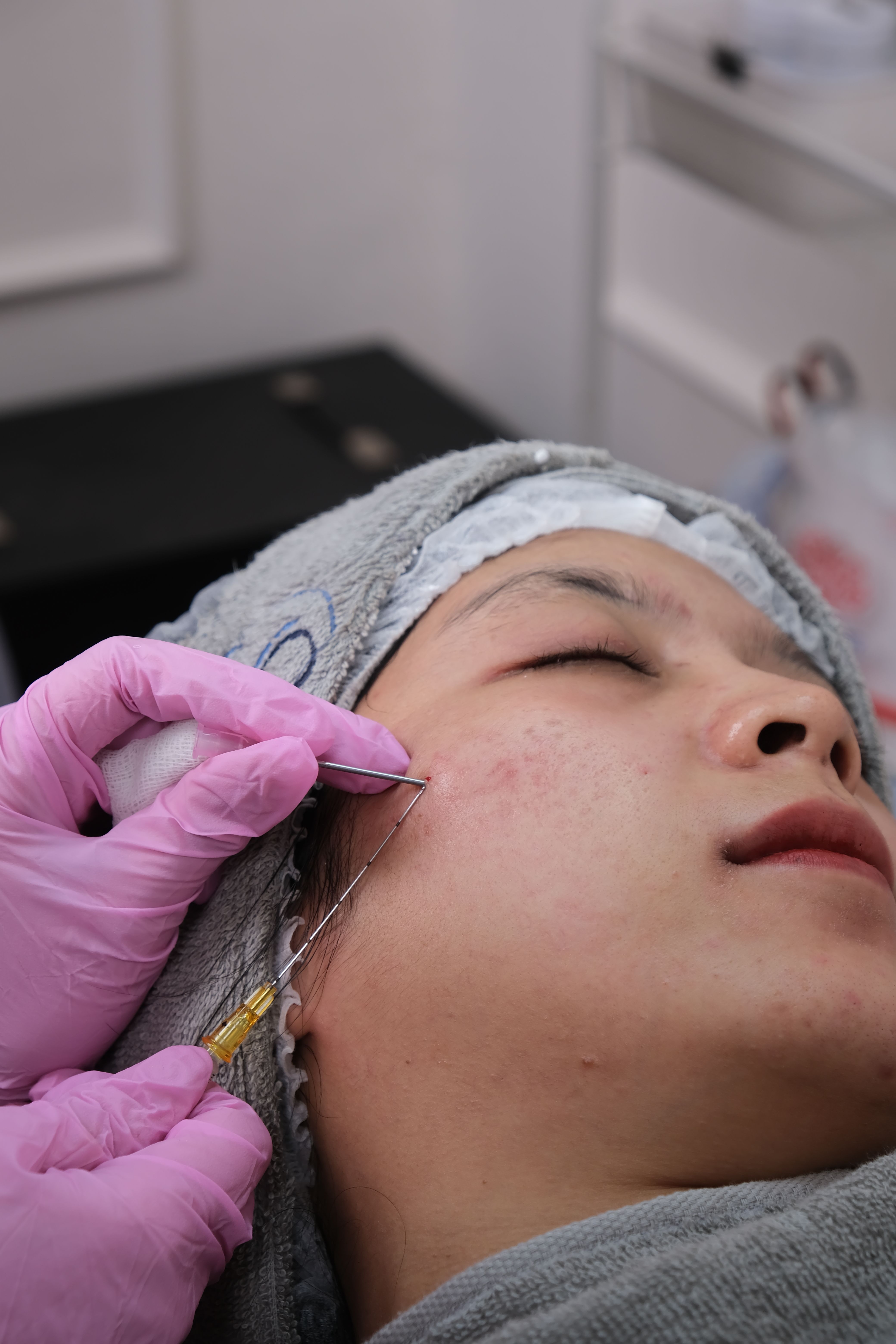
Hair loss treatment by Dr. Khatera Habib Wali in Kabul

The Hair Loss Secret Nobody Talks About in Afghanistan

Hair loss is one of the most common concerns I see in my Kabul clinic, especially among women. But there's a hidden factor that most people never consider—and it's not stress or genetics alone...

Continue Reading →

Hair loss is one of the most common concerns I see in my Kabul clinic, especially among women. Many patients come to me desperate, having tried every oil, every supplement, every remedy their grandmother recommended.

But there's a hidden factor that most people never consider—and it's not stress or genetics alone.

The Iron Connection

In Afghanistan, iron deficiency anemia is incredibly common among women. And here's what most people don't know: low iron is one of the leading causes of hair loss in women.

When your body doesn't have enough iron, it prioritizes essential organs over hair growth. Your hair follicles essentially go into "hibernation mode." The result? Thinning hair, excessive shedding, and eventually visible bald patches.

"I always check iron levels in my female patients with hair loss. More often than not, it's the missing piece of the puzzle." — Dr. Khatera Habib Wali

Other Hidden Causes

Beyond iron deficiency, I see these underdiagnosed causes of hair loss in my practice:

  • Thyroid disorders: Both hypothyroidism and hyperthyroidism can cause hair loss. A simple blood test can identify this.
  • Vitamin D deficiency: Very common in Afghanistan, especially during winter months.
  • Protein deficiency: Hair is made of protein. If your diet lacks adequate protein, your hair suffers.
  • Chronic stress: Physical or emotional stress can trigger a type of hair loss called telogen effluvium.

What I Recommend

First, get properly diagnosed. Don't guess. In my clinic, I use trichoscopy—a specialized examination that looks at hair and scalp under magnification. This helps me identify the exact cause.

Second, address the root cause. If it's iron deficiency, we treat that. If it's thyroid, we manage that. Treating hair loss without addressing the underlying cause is like trying to fill a bucket with a hole in it.

Third, be patient. Hair grows slowly—about 1 cm per month. Any treatment needs at least 3-6 months to show visible results.

A Message to Afghan Women

I know that hair loss can be emotionally devastating, especially in a culture where hair is closely tied to femininity and beauty. Please know that most causes of hair loss are treatable. You don't have to suffer in silence.

My clinic is here to help. We offer affordable trichoscopy, blood tests, and personalized treatment plans. Your hair health matters, and so do you.

← Back to Blog
Psoriasis treatment by Dr. Khatera Habib Wali

Psoriasis Is Not Contagious: What I Wish Everyone Understood

Every week, I see patients who have been hiding their psoriasis for years. They've been told it's contagious, that it's a curse, that they should stay away from others. Let me set the record straight...

Continue Reading →

Every week, I see patients who have been hiding their psoriasis for years. They've been told it's contagious, that it's a curse, that they should stay away from others. They come to me ashamed, isolated, and desperate.

Let me set the record straight: psoriasis is NOT contagious. You cannot catch it from someone, and they cannot give it to you. It's an autoimmune condition—meaning the body's immune system mistakenly attacks healthy skin cells.

Understanding Psoriasis

In a person with psoriasis, skin cells multiply up to 10 times faster than normal. Instead of shedding gradually, these cells pile up on the surface, creating the characteristic red, scaly patches.

The most common type is plaque psoriasis—thick, red patches covered with silvery scales. These can appear anywhere, but I most often see them on elbows, knees, scalp, and lower back.

The Emotional Toll

What breaks my heart is seeing patients who suffer not just physically, but emotionally. Psoriasis affects self-esteem, relationships, and quality of life. Many of my patients avoid social situations, wear long sleeves even in summer, and feel embarrassed about their appearance.

"Treating psoriasis isn't just about the skin. It's about restoring confidence and quality of life." — Dr. Khatera Habib Wali

Treatment Has Come a Long Way

Today, we have many effective treatments for psoriasis:

  • Topical treatments: Corticosteroids and vitamin D analogues for mild cases
  • Phototherapy: Controlled UV light exposure for moderate cases
  • Systemic medications: For severe psoriasis that doesn't respond to topical treatment
  • Lifestyle modifications: Stress management, diet, and skincare routines

The key is finding the right combination for each patient. What works for one person may not work for another. That's why personalized care is so important.

A Call for Compassion

If you know someone with psoriasis, please understand: they didn't choose this condition, and they can't "just get over it." What they need is support, understanding, and proper medical care—not judgment or avoidance.

And if you have psoriasis, please don't hide it. Seek professional help. You deserve to live comfortably in your own skin.

← Back to Blog
Summer skin protection by Dr. Khatera Habib Wali

Summer in Kabul: How to Protect Your Skin from the Sun

Kabul's summer sun is intense, and most people don't realize that sun damage is the #1 cause of premature aging. Here's my practical guide to sun protection that actually works...

Continue Reading →

Kabul's summer sun is intense. The altitude, the dry air, and the strong UV radiation create a perfect storm for skin damage. And yet, most people I see in my clinic have no sun protection routine.

Here's what I tell every patient: sunscreen is not optional. It's as essential as drinking water. UV damage is the #1 cause of premature aging—wrinkles, dark spots, and loss of elasticity.

The Basics of Sun Protection

1. Use sunscreen daily. Not just on sunny days. UV rays penetrate clouds and windows. Choose a broad-spectrum SPF 30 or higher.

2. Apply enough. Most people use only 25-50% of the recommended amount. For your face alone, you need about a nickel-sized amount.

3. Reapply every 2 hours. Sunscreen breaks down with time, especially in sweat. If you're outdoors, reapply frequently.

4. Seek shade during peak hours. The sun is strongest between 10 AM and 4 PM. If possible, stay indoors during these hours.

"The best anti-aging product you can buy is sunscreen. It's cheaper than any cream, and it actually works." — Dr. Khatera Habib Wali

Sun Protection for Darker Skin Tones

Many people with darker skin think they don't need sunscreen. This is a myth. While darker skin has more natural protection, it's not immune to sun damage. I see many patients with darker skin tones who develop hyperpigmentation from unprotected sun exposure.

My Recommended Routine

  • Morning: Gentle cleanser → Moisturizer → Sunscreen
  • Midday: Reapply sunscreen if outdoors
  • Evening: Gentle cleanser → Treatment product → Moisturizer

Remember: prevention is always better than treatment. Taking care of your skin now will thank you in 10, 20, and 30 years.

← Back to Blog